Marco Antonio Pulisci: Vintage Car Insurance Requirements (2026): What Qualifies?
- Marco Antonio Pulisci

- 1 day ago
- 3 min read
By Marco Antonio Pulisci
Not every older vehicle qualifies for vintage car insurance. While age is an important factor, insurers in 2026 place greater emphasis on how a vehicle is used, stored, and maintained.
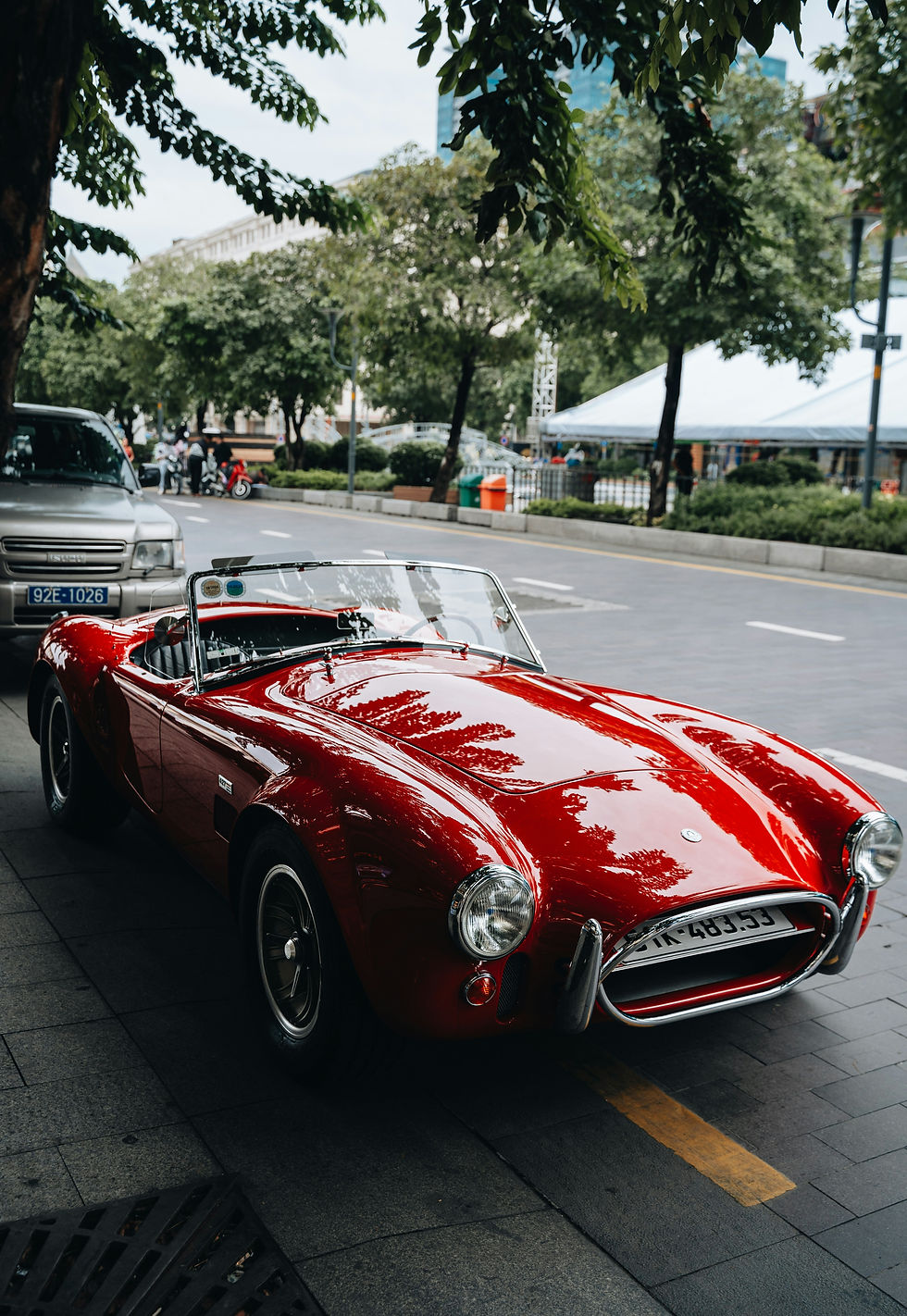
If you’re wondering what qualifies for vintage car insurance, this guide explains the exact requirements and how to ensure your vehicle meets them.
What Qualifies for Vintage Car Insurance? (Quick Answer)
A vehicle typically qualifies for vintage or classic car insurance if it:
Is at least 20–25 years old
Is used for limited, non-daily driving
Is stored in a secure, enclosed location
Is maintained in excellent or restored condition
It is not used for commuting or daily errands
Has an owner with a separate daily-use vehicle
1. What Makes Specialty Car Insurance Different?
Unlike standard auto policies, vintage car insurance is tailored for vehicles driven infrequently and maintained as collector items. These cars may have historical importance, emotional value, or unique craftsmanship.
One key feature is agreed value coverage. Instead of depreciating over time, the vehicle’s value is set up front based on its condition and documentation. This ensures owners know exactly what they’ll receive in case of a loss.
Because these vehicles are not exposed to daily wear and tear, they are considered lower-risk than regular cars.
2. Why Age Still Plays a Role
Age remains a starting point in vintage car insurance requirements, but it’s not the only factor.
Most qualifying vehicles are typically 20–25 years old or older. However, some cars may qualify earlier if they are:
Rare or limited production
Historically significant
Highly collectible
In short, it’s not just about age; it’s about how well the vehicle has been preserved.
3. How Driving Habits Affect Approval
Usage is one of the most important factors in classic car insurance eligibility.
These policies are designed for limited, purposeful driving, not daily use.
Acceptable uses:
Weekend leisure drives
Car shows and exhibitions
Enthusiast or community events
Not allowed:
Daily commuting
Running errands
Business use
Most policies include annual mileage limits, typically between 2,500 and 5,000 miles. Staying within these limits helps maintain eligibility.
4. Why Condition Speaks Louder Than Age
To qualify for vintage car insurance, a vehicle must be in excellent condition.
Insurers typically look for vehicles that are:
Well-maintained
Mechanically sound
Close to original condition or professionally restored
Supporting documentation strengthens eligibility, such as:
Service history records
Professional appraisals
High-quality photos
Vehicles showing neglect or poor restoration may not qualify.
5. Why Proper Storage Is Non-Negotiable
Storage plays a critical role in the approval of vintage car insurance.
Most insurers require the vehicle to be kept in a secure, enclosed space, such as:
A locked private garage
A dedicated storage unit
Street parking or open driveways are usually not acceptable due to a higher risk.
Proper storage helps protect the vehicle from:
Weather damage
Theft
Long-term wear
6. Ownership Habits That Strengthen Approval
Eligibility also depends on the owner’s lifestyle and driving behavior.
These policies are designed for owners who treat their vehicles as collectibles rather than necessities.
Common requirements:
Access to a separate daily-use vehicle
A clean and responsible driving record
These factors confirm the vehicle is used only occasionally.
7. Bringing It All Together: What Truly Defines Eligibility
A collector vehicle represents more than transportation; it reflects history, craftsmanship, and personal value.
To qualify for vintage car insurance in 2026, the following must align:
Age or collectible significance
Limited and intentional usage
Secure, enclosed storage
Consistent maintenance and care
When these factors are met, the approval process is typically smooth and predictable.
Frequently Asked Questions (FAQs)
How old does a car have to be for vintage car insurance?
Most vehicles must be at least 20–25 years old, although rare or collectible cars may qualify sooner.
Can I daily drive a car with vintage insurance?
No. Daily driving is generally not allowed under vintage car insurance policies.
What is the mileage limit for classic car insurance?
Most policies limit driving to approximately 2,500 to 5,000 miles per year.
Can restored cars qualify for vintage car insurance?
Yes, as long as the restoration is professionally completed and the vehicle is well maintained.
Do trucks or motorcycles qualify as classic vehicles?
Yes. Many insurers include classic trucks and motorcycles if they meet the same requirements.
Final Thoughts
Vintage car insurance is intended for vehicles that are carefully preserved rather than simply aged. Qualification depends on how the car is maintained, stored, and used.
By meeting the key requirements (limited usage, secure storage, excellent condition, and responsible ownership), you can ensure your vehicle qualifies and is properly protected.


Comments