Marco Antonio Pulisci | 7 Essential Classic Car Restoration Tips for Outstanding Results

By Marco Antonio Pulisci
Bringing a classic car back to life is more than repairing old parts. It is a careful process that combines planning, craftsmanship, patience, and attention to detail.
Every successful restoration begins with a clear strategy and continues through dozens of important decisions. From repairing rust to rebuilding the engine and restoring the interior, each stage plays a vital role in creating a finished vehicle that looks great and performs reliably.
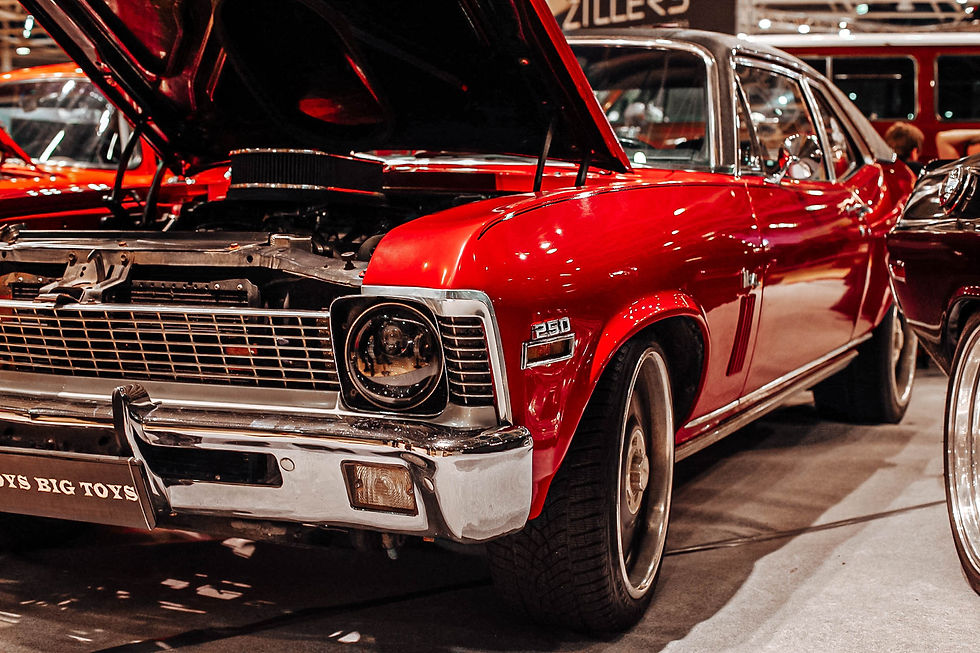
Whether someone is restoring a family heirloom or a newly purchased vintage vehicle, these proven restoration techniques can help achieve professional-quality results.
1. Build a Solid Restoration Plan Before Turning a Wrench
Every restoration project should start with careful preparation. Learning everything possible about the vehicle helps prevent costly mistakes later.
Research the original features, factory specifications, and common problem areas before taking the car apart. Having accurate information makes every step easier and improves the final outcome.
Helpful preparation includes:
Photographing the entire vehicle from every angle.
Recording the condition of every major component.
Deciding whether the goal is originality, regular driving, or a modernized restoration.
Creating a realistic budget for parts, tools, repairs, and unexpected expenses.
A detailed plan saves time, money, and unnecessary frustration throughout the project.
2. Stay Organized During Disassembly
Taking apart a classic car is often much easier than putting it back together. Staying organized from the beginning makes reassembly far less stressful.
Every removed part should be identified, stored safely, and documented before moving on to the next component.
Simple organization methods include:
Labeling every bolt, bracket, and fastener.
Store small parts in separate containers or sealed bags.
Taking reference photos throughout the entire process.
Removing components in a logical order to avoid confusion later.
Good organization prevents missing parts and speeds up the entire restoration.
3. Eliminate Rust the Right Way
Rust is one of the biggest challenges found in older vehicles. Ignoring even small areas of corrosion can allow damage to spread over time.
A complete inspection should include the vehicle's underside, floor panels, wheel openings, and other moisture-prone areas.
Common repair methods include:
Removing surface corrosion with mechanical or chemical treatments.
Replacing heavily damaged panels when repairs are no longer practical.
Welding weakened areas to restore strength and durability.
Checking panel alignment before moving to the finishing stage.
Proper rust repair provides the foundation for a long-lasting restoration.
4. Restore the Engine and Mechanical Components
A beautiful exterior means very little if the vehicle cannot drive with confidence.
Every mechanical system should be carefully inspected before reassembly. Worn or damaged components should be repaired, rebuilt, or replaced to improve reliability.
Important systems include:
Engine components.
Transmission and drivetrain.
Suspension parts.
Brake system.
Bearings, seals, and moving components.
Following proper specifications during assembly helps deliver dependable performance for years to come.
5. Upgrade the Electrical System for Better Reliability
Electrical problems are common in older vehicles because original wiring naturally deteriorates with age.
Replacing damaged wiring while preserving the vehicle's appearance improves both safety and dependability.
Popular improvements include:
Installing a replacement wiring harness that matches the original routing.
Upgrading to electronic ignition systems.
Replacing older charging systems with modern alternatives.
Using LED lighting for improved visibility.
Checking every ground connection for proper electrical performance.
Small electrical improvements can greatly increase everyday reliability.
6. Give the Interior the Same Attention as the Exterior
A restored cabin completes the driving experience and adds significant value to the finished vehicle.
Every interior component should be inspected and restored to create a clean, authentic appearance.
Areas that often require attention include:
Seats and upholstery.
Door panels.
Dashboard and instrument cluster.
Headliner.
Carpeting.
Interior trim pieces.
Use materials that are similar to the original style to maintain the car's authentic look.
7. Finish with High-Quality Paint and Detailing
The final appearance depends heavily on proper preparation before any paint is applied.
Every surface should be cleaned, repaired, sanded, and primed to create a smooth foundation for the finish.
Professional-quality results often include:
Careful surface preparation.
Multiple paint coats for even coverage.
Protective clear coating.
Final polishing after curing.
Restoring chrome trim, badges, and exterior details.
Attention to every finishing touch gives the restoration a polished, showroom-ready appearance.
Bringing a Classic Car Back to Its Best
Classic car restoration is a process that rewards patience, planning, and precision. Every stage, from initial research to the final polish, contributes to the vehicle's appearance, reliability, and long-term value.
By following proven restoration techniques and focusing on quality workmanship at every step, enthusiasts can preserve automotive history while creating a vehicle that can be appreciated for many years to come. A carefully restored classic is more than transportation; it is a lasting tribute to timeless design and skilled craftsmanship.


Comments